What Should I Use If I Need Citations I Can Click and Read Myself?
You know what's funny? when you’re diving into research, writing lengthy reports, or just verifying claims made by an ai assistant, having citation links you can actually click and read yourself is a game changer. It’s like choosing the right kitchen knife before cooking: sure, hype might make a flashy chef's knife look amazing, but if the handle slips and the blade dulls fast, you’re better off with a dependable utility knife that fits your cutting style.
In the AI assistant world, it’s exactly the same. You want the https://gregdoig.com/top-chatgpt-alternatives/ assistant that fits your workflow, offers reliable verifiable sources, doesn’t slap you with harsh daily limits, and can juggle long documents without breaking a sweat. Let’s unpack this topic carefully, highlight real-world pricing and limits, and naturally talk about some of the big players like OpenAI, ChatGPT, GPT-4o, and also the newer challenger Claude Pro.
Why Citation Links Matter
AI can generate tons of content, but without solid, clickable citations, it’s like a dish without a recipe—tasty maybe, but you can’t be sure what went into it. Citation links allow you to:
- Verify claims: Did the AI just make up a stat or phrase that sounds right?
- Dig deeper: Read the original article, study, or data set yourself.
- Reference properly: For academic, professional, or content creation purposes, verifiable sources are non-negotiable.
Without this, you’re playing a guessing game, which isn’t great when accuracy and trustworthiness are the backbone of your work.

OpenAI, ChatGPT, GPT-4o: Powerful But Not Perfect for Citations
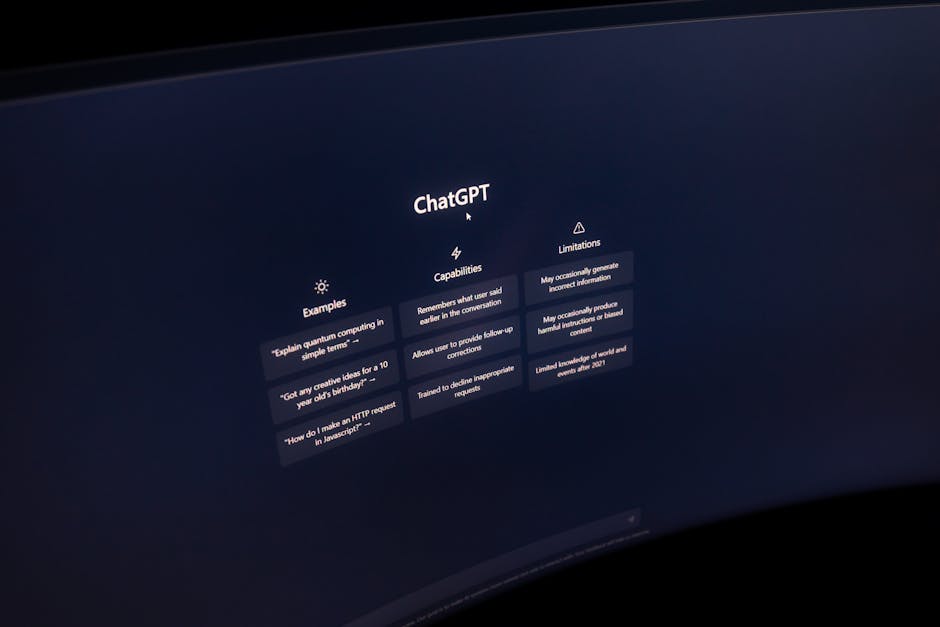
OpenAI’s ChatGPT, especially with the GPT-4o model, is one of the most versatile AI assistants you can find today. It’s like the Swiss Army knife of text generation—good at many things and accessible to a wide audience. But if you want solid clickable citations, you often have to do manual work:
- ChatGPT can provide references, but they are often generic and lack direct URLs.
- GPT-4o extends context window length, helping with document-level comprehension, but the citations still don’t always come with proper “click-to-verify” sources.
- Daily limits and free tier caps on ChatGPT can get frustrating if you’re researching intensively.
Sure, you can use ChatGPT alongside tools like Google Docs summarize and rewrite or leverage Gmail thread summarization to distill large amounts of reading into manageable chunks, but when it comes to direct citation verification, the assistant itself often falls short without copy-pasting and hunting down references yourself.
Example: OpenAI Pricing and Limits
Model/Plan Cost Message Limits Context Window Supports Clickable Citations? ChatGPT Free (GPT-3.5) Free Limited daily messages ~4K tokens No ChatGPT Plus (GPT-4o) $20/month More messages, but still capped Up to 8K tokens (varies) Partial (citation hints but no clickable sources)Claude Pro: A Worthy Mention for Citation-Heavy Work
Anthropic’s Claude Pro is often overlooked but is worth a look when citations and extensive message capacity matter. For $20/month, you get a significant boost in message limits—unlocking 5x more messages compared to free tiers—making it an ideal choice for people who test, research, or write all day.
- Claude Pro shines in handling longer conversations without losing track.
- Its approach to citations is generally more user-friendly, with verifiable sources appearing more clearly.
- Its message unlock is a big deal if you hate constantly switching tabs or spoofing context with copy-pastes.
Key Benefits of Claude Pro for Citation Handling
- Less daily friction: More messages equals less artificial stop-and-go in your workflow.
- Better context retention: Useful for summarizing or rewriting whole documents while linking back to sources.
- More reliable citation links: Easier to cross-check and verify claims, which matters for research integrity.
Free Tiers and Daily Caps: The Real Bottleneck
It’s tempting to pick an AI assistant based on hype, brand, or flashy ads, but the reality is that daily caps and free tier limits are where most users will encounter real friction. Running out of messages mid-research feels like running out of gas on a road trip—annoying and time-wasting.
Free tiers might be fine for casual chats or light tasks, but if your workflow involves heavy summarization, rewriting, or verifying dozens of citations, you want a plan that doesn’t treat you like a nickel-and-diming customer.
Whether it’s OpenAI’s ChatGPT free tier with limited messages or Claude Pro’s $20/month upgrade unlocking 5x more messages, consider how message limits affect your productivity and citation workflows. Remember, every forced tab switch, copy-paste, or source-hunt slows you down.
Long Context Windows: Essential for Document Work
When working on research papers or project reports, your AI assistant’s ability to "remember" large chunks of text is crucial. GPT-4o’s extended context window helps with this—they can handle up to roughly 8,000 tokens or more, which is ideal for summarizing multi-page documents without losing track of earlier content.
But length isn’t everything. If citations don’t include clear links and sources, a long context window turns into a long, unverifiable ramble. That’s why pairing long context windows with credible, clickable citations is the winning combo.
Google Docs’ summarize and rewrite features also benefit from large context windows, letting you rewrite sections with clean citations intact when paired with the right AI tools.
Putting It All Together: What Should You Use?
If clickable citation links and the ability to verify claims yourself is a top priority, here’s my straightforward takeaway:
- Avoid relying solely on basic ChatGPT free tier; citations often lack direct URLs, and message caps hurt sustained research efforts.
- Consider upgrading to ChatGPT Plus (GPT-4o) if you need better context windows, but be prepared for manual citation verification.
- Look at Claude Pro for a more seamless, citation-rich, high-capacity experience—$20/month unlocks 5x more messages, meaning less tab switching and more consistent research flow.
- Use complementary tools like Google Docs’ summarize and rewrite or Gmail’s thread summarization to manage document workflows efficiently.
Final Recipe for Research Productivity
- Pick an AI assistant with a long context window suited to your document length—GPT-4o or Claude Pro are solid candidates.
- Prioritize subscriptions with higher message limits to avoid hitting walls mid-task (Claude Pro stands out here).
- Check if the assistant delivers citation links you can click and verify yourself; if not, be ready for extra manual source hunting.
- Complement your AI assistant with native tools for summarization and rewriting—like Google Docs or Gmail features—to keep your workflow smooth and avoid annoying copy-paste loops.
In other words, stop chasing hype and start thinking fit for purpose. When clickable citations and source verifiability are key, it pays off to choose smartly, invest reasonably, and combine tools thoughtfully.
Need AI that works as hard as you do with research? Claude Pro’s $20/month unlocked messaging combined with solid citation handling might just be the sharp utility knife you’re craving.