MFA in Crypto Apps Feels Annoying: How Do You Make It Smoother?
Multi-factor authentication (MFA) is essential for securing crypto wallets and exchanges, yet many users find it frustrating and cumbersome. This friction often stands as a critical adoption bottleneck – a hurdle between interested users and widespread crypto adoption. As fintech UX writers and product researchers, we understand that balancing wallet safety, usability, and trust is a delicate art. In this post, we’ll explore how companies like The Coin Republic and MrQ are redefining login UX with step-up authentication, while adhering to guidance from the Cybersecurity and Infrastructure Security Agency (CISA).
The Adoption Bottleneck: Why UX Matters in MFA for Crypto
Crypto products aren’t just banking apps—they’re gateways to a new financial ecosystem. However, onboarding new users to crypto wallets and exchanges is often slowed by complex security demands. MFA—while vital—can feel like a hurdle rather than a help.
Why does MFA feel annoying in crypto apps?
- Multiple authentication steps interrupt a seamless flow.
- Users new to digital assets often struggle to understand security jargon.
- Confusing error states and recovery options add anxiety.
- Excessive prompts create "security fatigue" – users rush through or avoid MFA entirely.
The Coin Republic recently highlighted that improving login UX by streamlining MFA reduces onboarding drop-off dramatically. Crypto wallets and exchanges typically employ MFA methods such as SMS codes, authenticator apps, and biometric factors but progressively layering these steps without user-sensitive design creates friction.
Onboarding & The Learning Curve In Crypto Security
Onboarding new users to crypto apps means walking a tightrope between education and usability. Too little information? Users feel lost and unsafe. Too much? They feel overwhelmed.
Step-by-step onboarding
MrQ, an innovative crypto exchange, incorporates contextual prompts during onboarding that explain why MFA is required and how it protects digital assets. Simple language and visual cues reduce cognitive load and signal transparency.
Progressive Disclosure
Rather than forcing all MFA methods upfront, successful apps introduce step-up authentication only during sensitive actions—such as withdrawals or password changes. https://www.thecoinrepublic.com/2026/08/19/user-experience-remains-the-missing-piece-of-blockchain-adoption/ This “just-in-time” security fosters smoother login UX.
Onboarding Aspect UX Strategy Impact Intro to MFA Clear, jargon-free explanations with visual aids Reduces anxiety, builds trust Step-up authentication timing Triggered only for high-risk actions Less user friction overall Error messaging Specific, actionable, and friendly messages Prevents drop-offs and confusionWallet Safety Versus Usability: Finding the Right Balance
Security teams, product managers, and UX writers often debate the tension between safety and usability. Crypto assets are irreversible—mistakes or breaches can mean catastrophic loss. As the Cybersecurity and Infrastructure Security Agency (CISA) emphasizes, MFA drastically reduces account takeovers, but imposing unfriendly MFA protocols alienates users.
Transparency and Trust
Transparency about security policies is a strong trust builder. The Coin Republic advocates transparent communication around why MFA is necessary, how user data is protected, and what users can expect during account recovery.
Leveraging Biometrics & Device Trust
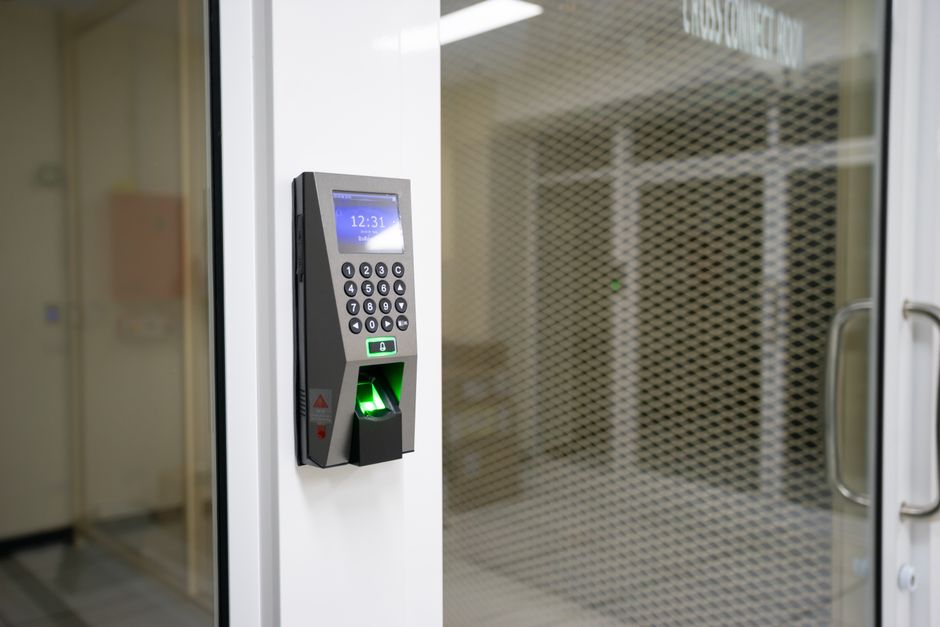
Biometric authentication (e.g., fingerprint, face ID) offers a middle ground—stronger security without repeated codes and tokens. However, implementing biometrics must be paired with fallback options and user education to accommodate device limitations.
Remembered Devices & Adaptive Authentication
Exchanges employing adaptive MFA reduce friction by “remembering” trusted devices and locations. This approach allows step-up authentication only when detecting an unusual login attempt, thereby aligning security demands with real risk.
Practical Tips to Smooth MFA in Crypto Apps
- Use Step-Up Authentication Wisely: Require MFA only when performing high-risk activity, not on every login.
- Educate Early and Often: Employ clear tooltips, onboarding tutorials, and FAQ integration to guide users about MFA benefits.
- Design Friendly Error States: Avoid generic error messages; specify what went wrong and how to fix it.
- Implement Biometrics: When possible, enable biometrics as a first-class authentication factor.
- Build Trust Through Transparency: Share your security protocols and commitment openly to reassure users.
- Support Account Recovery Thoughtfully: Offer easy but secure recovery options that do not frustrate users.
- Regularly Review Security Guidance: CISA provides updated best practices—make them a part of your product development cycle.
Conclusion: Designing MFA for Mass Crypto Adoption
As The Coin Republic and MrQ demonstrate, the future of crypto hinges on merging robust security protocols with intuitive, empathetic design. MFA doesn’t have to be a barrier; when thoughtfully implemented as step-up authentication with transparency and user education, it becomes a natural part of login UX that builds trust, ensures wallet safety, and accelerates adoption.
Crypto wallets and exchanges that master this balance will not only secure their users’ assets but also expand the base of confident, empowered digital asset holders — unlocking the full promise of decentralized finance.
For those building or auditing crypto apps, the imperative is clear: make MFA smarter, friendlier, and context-aware. It’s time to turn annoyance into assurance.
References:
- The Coin Republic
- MrQ
- Cybersecurity and Infrastructure Security Agency (CISA) MFA Guidelines